
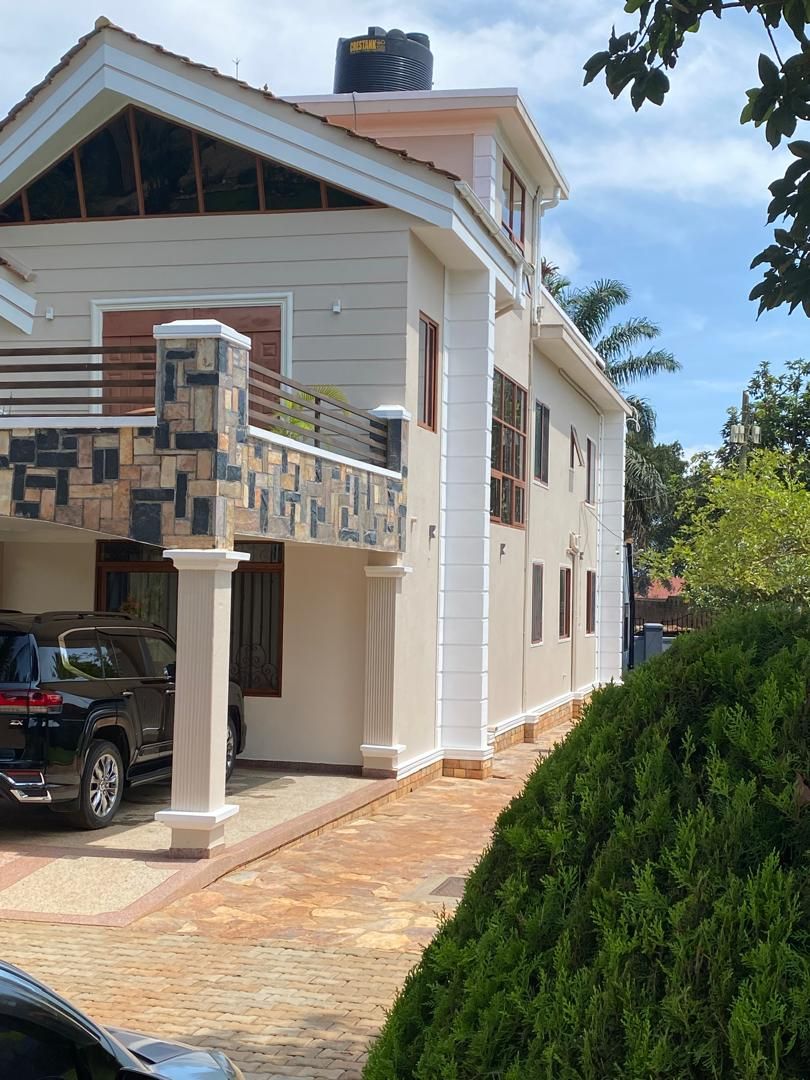
It is a common shortcut: a wall needs a small exterior touch-up, there is a half-used tin of interior emulsion in the store, so it gets used outside. It looks fine for a few weeks. Then the first hard rain or long dry spell comes through, and the difference becomes obvious.
What exterior paint is actually built for
Exterior coatings, like Dizat Weatherguard, are formulated to expand and contract with heat without cracking, shed rain rather than absorb it, and resist the fading effect of direct sun over months and years. Interior paints are not built to survive any of that, because they were never meant to.
What happens when you use interior paint outside
Interior emulsion applied outdoors tends to chalk and fade faster, absorb moisture instead of shedding it, and lose adhesion as the wall behind it heats and cools. The result is a repaint job again within a season or two, instead of holding for years.
Matching the product to the surface
The reverse mistake also happens: using a heavy-duty exterior coating indoors, where it is unnecessarily hard-wearing and often harder to get a soft finish from. The simplest rule is to match the product to where it is actually going.
- Indoors: Dizat Vinyl or Dizat Matt, chosen by sheen and traffic as covered in our finish guide.
- Outdoors: Dizat Weatherguard, built specifically for sun, rain, and temperature swings.
If you are ever unsure which side of a wall a product is rated for, check the pack. Every Dizat product states whether it is for interior use, exterior use, or both.