
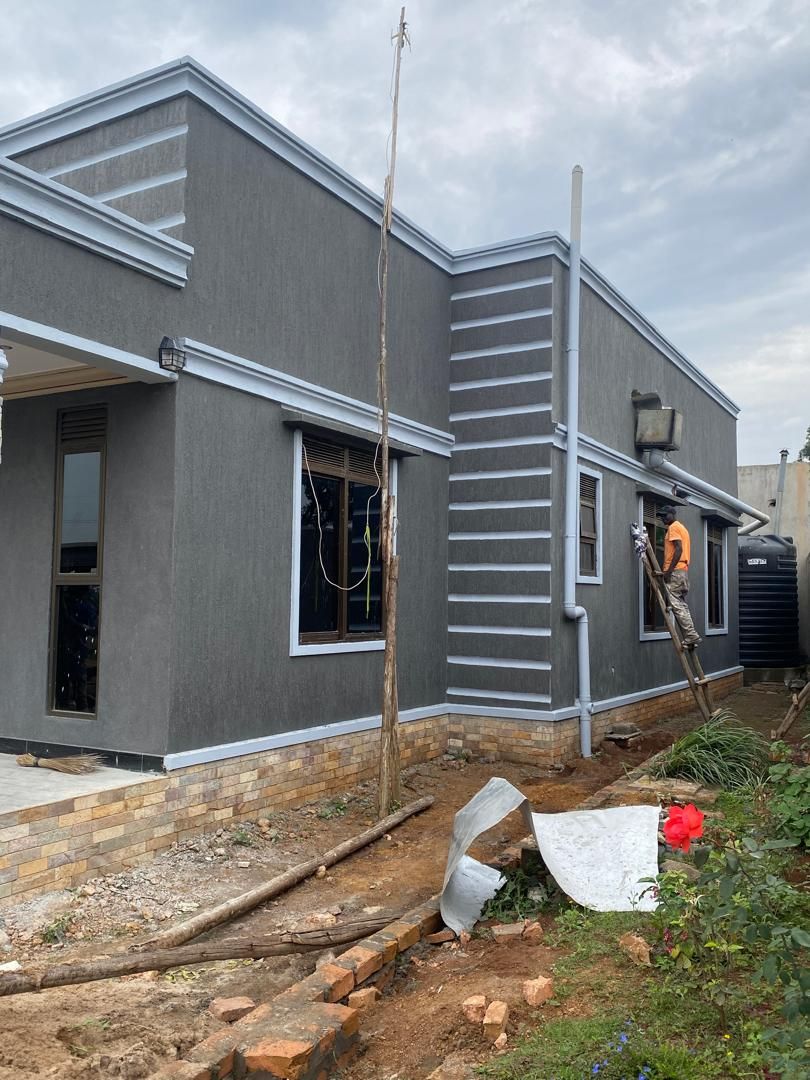
A repaint is usually easier and cheaper the earlier you catch the signs. Left too long, small issues like chalking or a hairline crack turn into bigger jobs involving patching, priming, and sometimes plaster repair before a single coat of colour goes on.
On exterior walls
Watch for chalking, a fine powdery residue that rubs off on your hand when you touch the wall. It is a sign the top layer of paint has broken down under sun exposure. Fading, especially uneven fading on the side of a building that gets the most sun, is another early signal. Cracking, peeling, or bubbling paint means moisture is getting in somewhere and should not be ignored.
On interior walls
Marks and scuffs that no longer wipe off, however hard you try, usually mean the finish has worn through in that spot. Persistent dampness, discolouration, or a musty smell in one area points to a moisture issue that should be resolved before repainting, not painted over.
General wear
Even without obvious damage, paint dulls with time as dust and UV exposure take their toll. If a wall looks flat and lifeless compared to when it was first painted, that is often enough reason on its own.
- Chalking or powdery residue on exterior walls.
- Visible fading, particularly on sun-facing walls.
- Cracking, peeling, or bubbling paint.
- Marks on interior walls that no longer clean off.
- Damp patches or a persistent musty smell.
If you are seeing two or more of these signs, it is worth getting the wall looked at before the damage spreads further.